
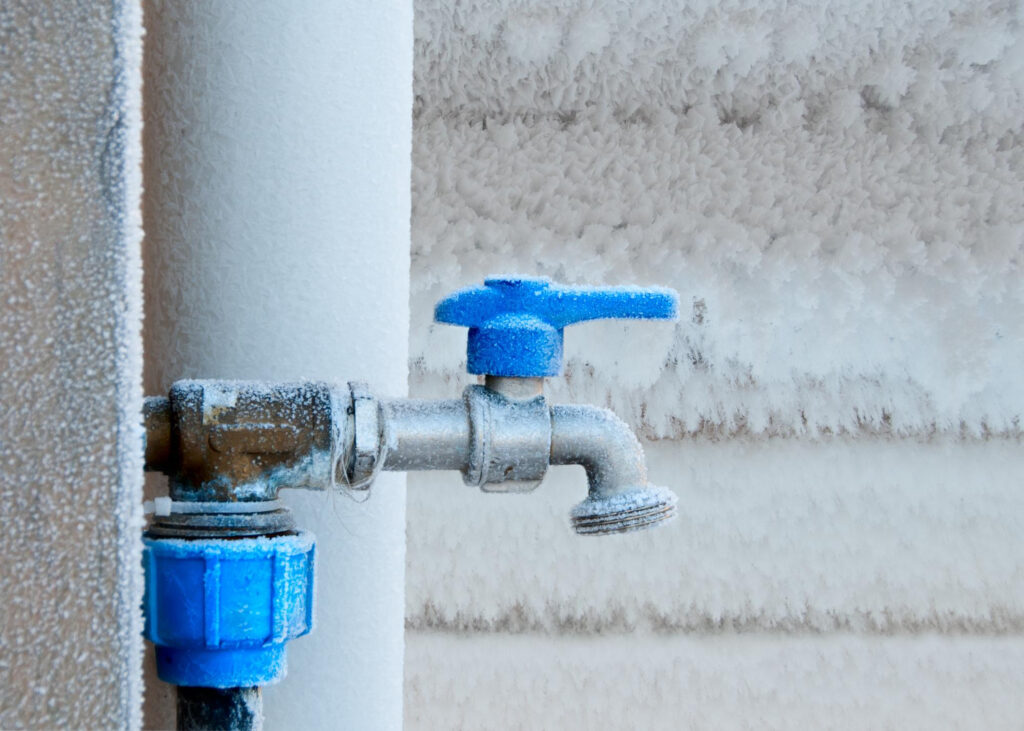
Winter in Tasmania brings crisp mornings, frosty nights, and temperatures that can put your home’s plumbing at risk. While frozen and burst pipes are more common in colder parts of Australia, they can still occur throughout Southern Tasmania, particularly in exposed areas of the Huon Valley, Franklin, Kingston and surrounding regions.
The good news is that a few preventative steps can significantly reduce the risk of expensive water damage and emergency plumbing repairs. In this guide, we’ll explain why pipes freeze, how to prevent them, what to do if you suspect a frozen pipe, and when it’s time to call a licensed local plumber.
Quick Answer: How Do You Prevent Frozen Pipes?
The best ways to prevent frozen pipes include:
- Insulating exposed water pipes.
- Disconnecting garden hoses before frost.
- Protecting outdoor taps.
- Sealing gaps that let cold air reach plumbing.
- Keeping a consistent indoor temperature.
- Knowing where your main water shut-off valve is.
- Having older plumbing inspected before winter.
Taking these simple precautions can help avoid burst pipes, water damage, and costly repairs during Tasmania’s coldest months.
Why Do Pipes Freeze in Tasmania?
Water expands by approximately 9% when it freezes. If water inside a pipe freezes, the pressure builds rapidly. The pipe doesn’t usually burst where the ice forms—instead, it often ruptures further along where pressure becomes too great.
Properties most at risk include:
- Older homes with ageing plumbing.
- Holiday homes left vacant during winter.
- Rural properties in the Huon Valley.
- Pipes running under floors or through roof cavities.
- External pipework exposed to cold overnight temperatures.
Although Tasmania doesn’t experience prolonged sub-zero weather like alpine regions, repeated overnight frosts can still cause plumbing problems.
Signs Your Pipes May Be Freezing
Recognising the warning signs early can prevent major damage.
Look out for:
- Little or no water coming from taps.
- Frost visible on exposed pipes.
- Unusual banging or gurgling noises.
- Reduced water pressure.
- Damp patches appearing after temperatures rise.
- Water leaks once the pipe begins thawing.
If you notice any of these signs, avoid forcing the pipe to thaw with open flames or boiling water.
How to Prevent Frozen & Burst Pipes
1. Insulate Exposed Pipes
One of the most effective preventative measures is insulating exposed water pipes.
Focus on:
- Under-house plumbing
- Garage pipework
- Outdoor water lines
- Roof cavity plumbing
Foam pipe insulation is inexpensive and helps maintain a more stable water temperature.
2. Disconnect Garden Hoses
Leaving hoses connected allows water to remain trapped in outdoor taps.
Before freezing nights:
- Disconnect hoses.
- Drain them completely.
- Store them somewhere dry.
- Fit insulated tap covers if available.
3. Seal Cold Air Entry Points
Cold air entering crawl spaces, underfloor areas or wall cavities increases the risk of freezing.
Check for gaps around:
- Pipe penetrations
- Vents
- Exterior walls
- Garage doors
Simple weather sealing can improve both energy efficiency and plumbing protection.
4. Keep Your Home Warm
If you’re away for a few days, don’t completely switch off heating.
Maintaining a modest indoor temperature helps prevent pipes inside walls and ceilings from reaching freezing point.
This is particularly important for holiday homes throughout Southern Tasmania.
5. Know Where Your Water Shut-Off Valve Is
If a pipe bursts, every second counts.
Locate your property’s main isolation valve before winter so you can quickly stop the water supply and minimise damage.
Every homeowner should know:
- Where the valve is located
- How it operates
- How to turn it off safely
6. Arrange a Winter Plumbing Inspection
A professional plumbing inspection can identify vulnerable areas before they become emergencies.
A licensed plumber can inspect:
- Ageing pipework
- Poor insulation
- Small leaks
- Corroded fittings
- Outdoor plumbing
- Water pressure issues
Preventative maintenance is usually far more affordable than repairing extensive water damage.
What Should You Do If a Pipe Freezes?
If you suspect a frozen pipe:
- Turn off the water supply if possible.
- Open the affected tap slightly.
- Warm the pipe gradually using warm towels or a gentle heat source.
- Never use a blowtorch, naked flame or boiling water.
- Check carefully for leaks once the pipe thaws.
If the pipe has burst or you cannot safely thaw it, contact a licensed plumber immediately.
What Happens If a Pipe Bursts?
A burst pipe can quickly cause:
- Flooding
- Ceiling damage
- Wall damage
- Floor damage
- Mould growth
- Expensive repair bills
Immediate action can minimise long-term damage.
First:
- Shut off the main water supply.
- Switch off electricity if water is near electrical fittings.
- Contact an emergency plumber.
- Begin removing standing water where safe.
Why Local Knowledge Matters
Tasmania’s climate differs significantly from mainland Australia. Homes throughout the Huon Valley, Franklin, Kingston and surrounding areas experience unique winter conditions that require practical plumbing solutions.
A local plumber understands:
- Areas most susceptible to frost
- Common plumbing layouts in Tasmanian homes
- Local water systems
- Seasonal maintenance requirements
That local experience helps identify risks before they become emergencies.
Protect Your Plumbing Before the Next Frost
A little preparation before winter can save thousands of dollars in water damage repairs. Insulating exposed pipes, checking vulnerable plumbing, and addressing small issues early are simple steps that can help protect your property throughout Tasmania’s colder months.
If you’re concerned about exposed plumbing or want peace of mind before the next cold snap, JT Plumbing Tasmania provides professional plumbing inspections, repairs, and maintenance across Huon Valley, Franklin, Kingston and surrounding areas.